Czech VC Funds Are Often Just Free Riders, Says Levinský of Jet Ventures


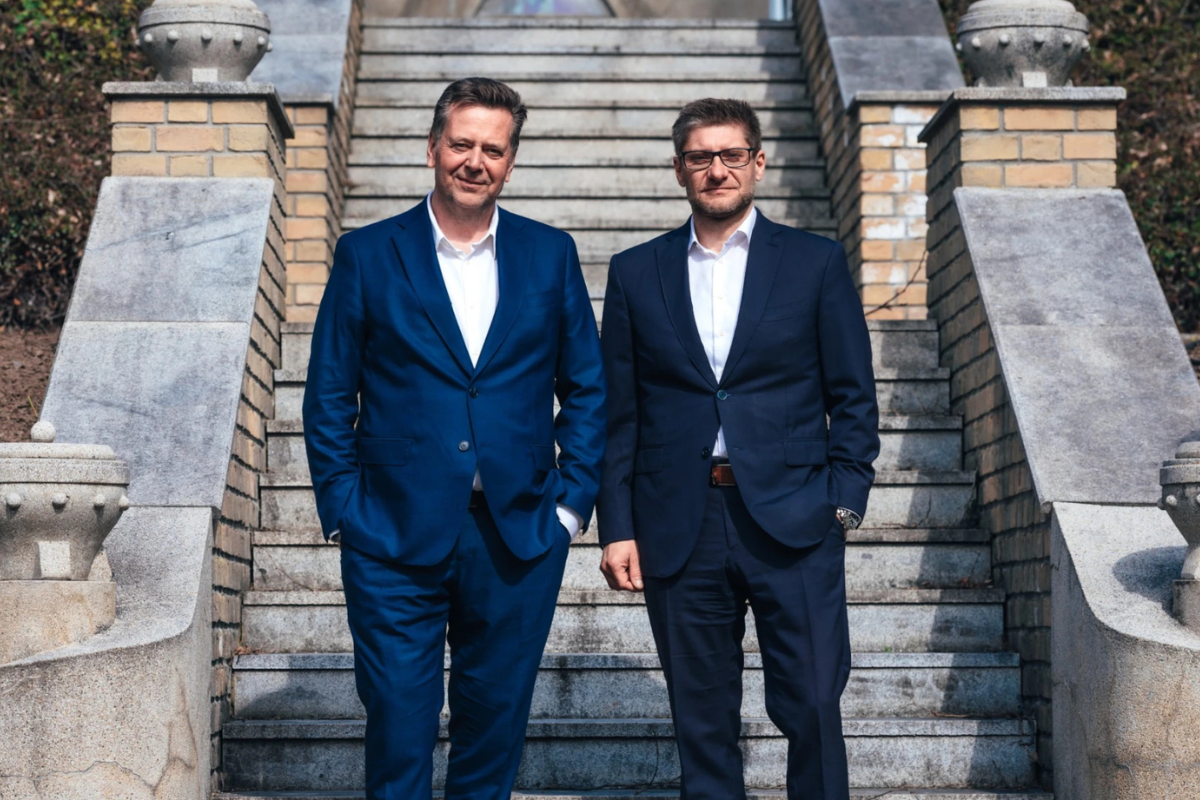
It may be venture capital, but it carries the unmistakable DNA of private equity. According to Kamil Levinský, that is precisely what gives Jet Ventures its edge.
.jpg)
In Czech business circles, the Jet name has long meant one thing: the storied private equity vehicle of billionaire Igor Fait, ranked among the country’s wealthiest people by Forbes. But after launching three funds worth nearly CZK 12 billion — and a fourth already underway — the group decided it was time to branch into a different discipline: venture capital.
The Jet Ventures fund, led by Kamil Levinský, is targeting a total size of CZK 1.25 billion and is already nearing full subscription. Individual investments are expected to range between €1 million and €2.5 million.
“We believe we can build a portfolio that doesn’t need thirty companies in it,” says Levinský, whose path into venture capital began with his own personal investing activities.
The former CEO of České Radiokomunikace began building a private investment portfolio after stepping away from executive management.
“At first, I realized life isn’t just about work,” Levinský says. “I had a non-compete clause, my second son had just been born, and for the first time I actually slowed down and enjoyed life. My older son barely knew me. I had a year’s worth of financial breathing room and, for the first time in my life, I took an entire year off.”
We meet in one of the lounges at STAGES HOTEL Prague, while an investor networking event hums behind closed doors. Jet Ventures is presenting its portfolio companies to existing investors while courting new ones — a task that has become one of Levinský’s central responsibilities.
Over the course of his telecom career, Levinský worked across finance, marketing, and sales. During his time at Eurotel, he completed all three CFA exams — credentials he rarely used in senior executive roles, only returning to them later as a private investor.
He began with bonds, then moved into equities, private equity, and — like many wealthy Czechs — real estate. But he eventually lost interest in property altogether.
“A lot of Czechs make the same mistake: they overestimate the value of bricks and mortar,” he says. “I realized I simply didn’t enjoy it. I shifted my portfolio toward higher-risk assets and gradually exited real estate. I also made successful investments in wine and art.”
Eventually, he arrived at venture capital — and immediately became hooked.
“I didn’t have the capital for major investments, so I operated as an angel investor, usually writing checks of up to €100,000,” Levinský says. “I discovered I absolutely loved it. It wasn’t the biggest part of my portfolio, but it was by far the most exciting.”
At the same time, he began developing strong criticisms of how many VC funds operated.
According to Levinský, too many firms behaved like free riders: they would invest once and then simply coast on the work of others. For a manager with a deeply hands-on approach, that mentality was difficult to understand.
What you are most often interested in
Files for download