Czech funds have fallen in love with Poland. The drawback? 'Polish banks are still lagging behind.'


Poland is a large, attractive market with relatively simple administrative procedures. Its weakness is the persistently poor investment financing conditions. However, Czech capital will continue to flow here in ever-increasing numbers, says Pavel Drabina of the Czech company Jet Investment.
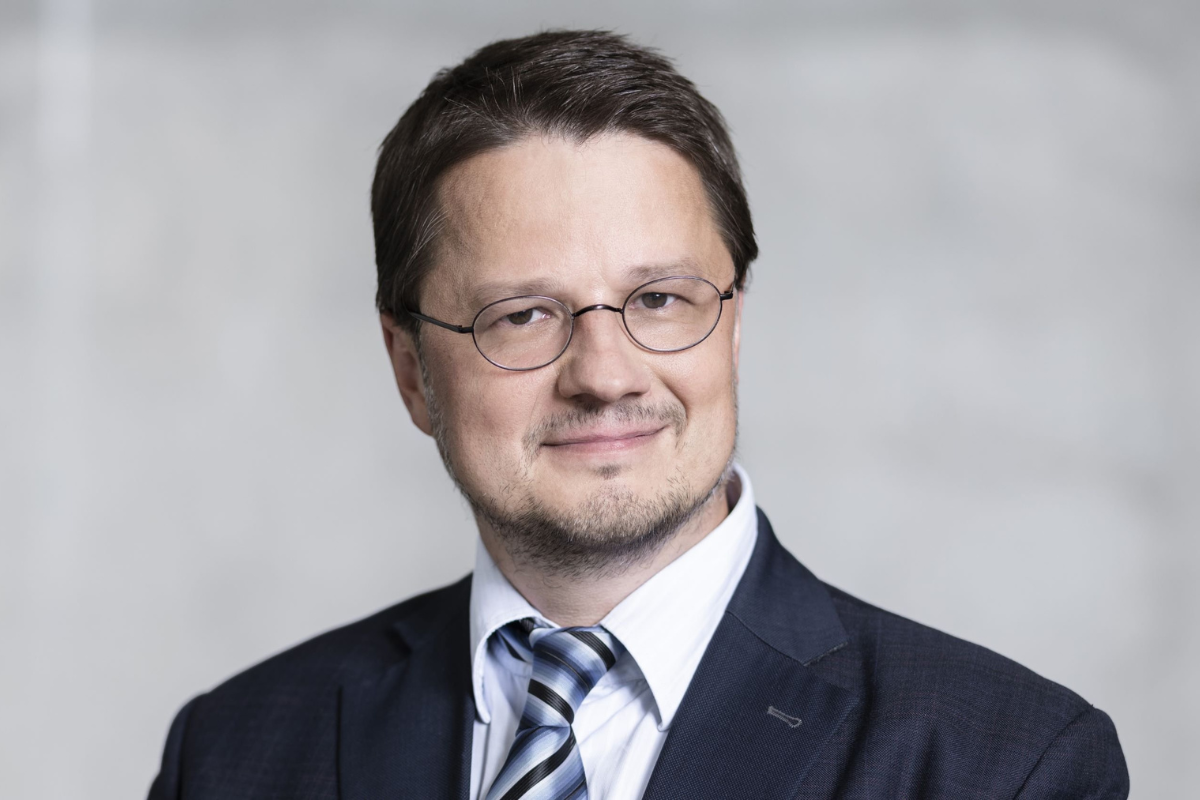
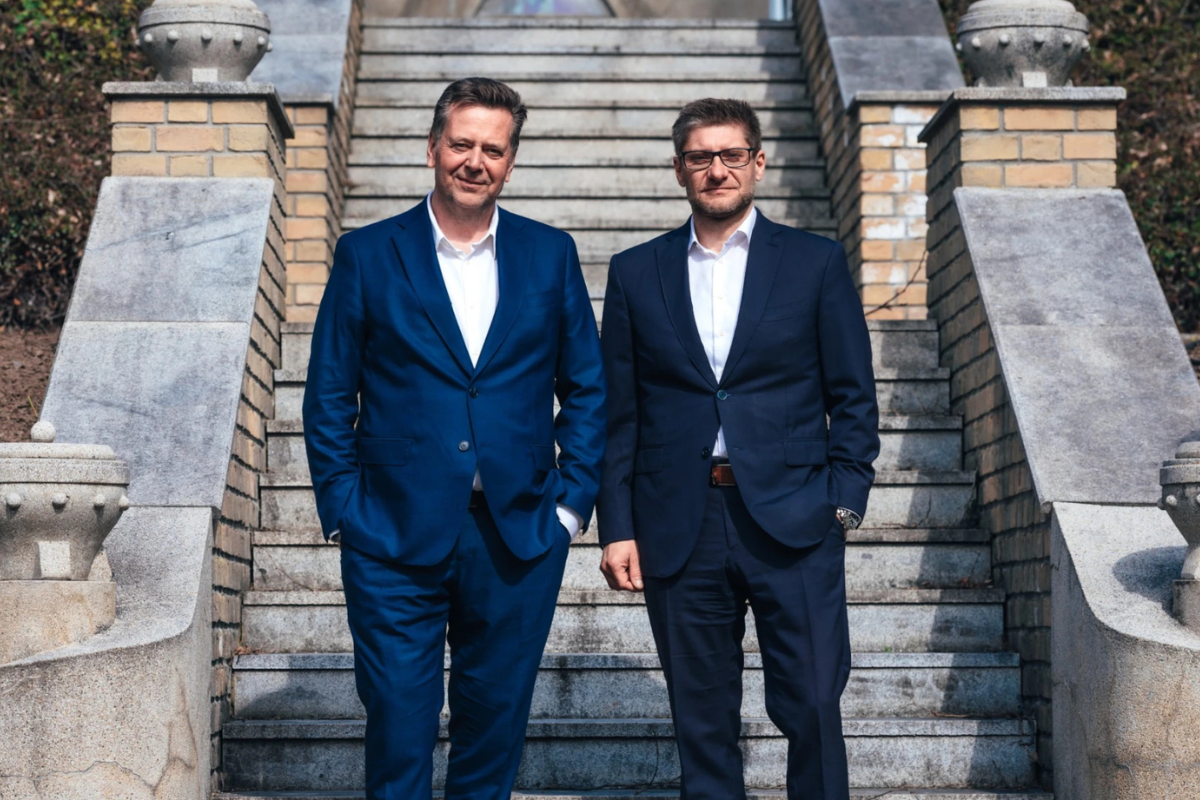
Jet Investment is one of the largest and most recognizable Czech private equity firms. Its founder is Brno-based Igor Fait, whose fortune Forbes magazine estimated at CZK 6.8 billion (nearly PLN 1.2 billion). This landed him 83rd place in the latest ranking of the 100 richest Czechs.
For nearly 30 years, the company has managed funds that invest entrusted capital in industrial companies in Central Europe, among others. It also has funds investing in real estate, such as Jet Industrial Lease (JIL).
More efficient administrative procedures
"Poland is currently our main market. The share of Polish assets in our portfolio is approximately 60%. We consider the speed of administrative processes and construction itself, as well as the high level of interest from tenants, to be the most important advantages of the Polish market. Without them, building industrial properties would be pointless," says Pavel Drabina, Managing Director of JIL.
According to him, it's precisely these characteristics that make our country the center of attention for Czech investors and funds today. In their own market, they struggle with lengthy administrative procedures. Many investment firm representatives have complained about this for years.
"We expect an amendment to the Czech construction law, which could accelerate investment processes. Consideration is being given to, among other things, transferring greater authority to the state instead of municipalities, but this would be a significant administrative burden, and the system is not yet ready for it. Furthermore, changing the law is one thing, implementing it is another. If we could shorten and streamline the investment process to match the current situation in Poland, I would consider it a major success," declares the head of JIL.
Another complaint among Czech investors entering the Polish market is access to financing. At the end of 2024, Igor Fait, managing partner of Jet Investment, also addressed this issue. He believes that the banks operating in Poland compete poorly, and their offerings are inflexible.
Worse financing conditions
"The last year has seen improved financing conditions and increased competition among banks. However, Polish banks still lag somewhat behind those in other Central European countries," says Pavel Drabina.
He adds that the LTV (Loan-to-Value) ratio, which shows how much of an investment can be financed with debt, can reach up to 80% in the Czech Republic. In Poland, however, it's usually only around 60%, and only in exceptional circumstances, 65%. Furthermore, Polish banks sometimes charge administrative fees throughout the loan period, which is not standard elsewhere.
"The process of obtaining financing is still associated with extensive bureaucratic procedures. Banks require very extensive documentation. We once had a loan agreement alone that was over 200 pages long," explains the manager.
He pins his hopes for further improvement on the emergence of new institutions in the market, such as UniCredit and Erste. He believes this could increase competition between banks. However, he fears that rising interest rates will increase the cost of loans and, as a result, reduce investment profitability. However, there are more threats.
The most attractive are Rzesz6w and Gdansk
"We expect inflation to rise, partly due to the rising prices of raw materials and construction materials, such as oil and gas products. This will apply essentially throughout Europe. This will translate into higher construction costs and a potentially more difficult situation for tenants," explains Pavel Drabina.
He believes that even if the geopolitical situation returns to normal relatively quickly, the inflationary effects will persist for some time. This, in turn, could weaken demand for new space. However, he admits that for now, the opposite trend is observed: some companies, fearing supply disruptions, are seeking additional warehouse space to protect themselves.
He assesses the demand for this type of space - both production and logistics - in Poland as generally high. However, he also notes certain regional differences. In some places, such as around l6dz, the market is already saturated, but elsewhere, such as Rzesz6w, it is very dynamic. In his opinion, the eastern part of the country, especially the Podkarpacie region, is gaining importance as a logistics hub and a base for Ukraine's reconstruction. Due to the expected development of ports, he also sees Gdansk and its surrounding area as promising.
Poland is as safe as the Czech Republic and Germany
Poland, unlike the other countries where JIL invests -the Czech Republic, Austria, and Germany-is a front-line country. However, in the opinion of the fund's director, the risk of investing in our market is no higher than in the other countries mentioned.
"Poland, a stable, pro-European country, is highly regarded for investment security - just like Germany or the Czech Republic. The risk here is more external, stemming from the war in Ukraine and the global political and economic situation," says Jl�s director.
The specific market the fund invests in is influenced by current opportunities and geopolitical risk, specifically its relationship to expected returns. JIL, however, does not have rigid financial limits for individual countries.
He doesn't currently plan to invest in Hungary. He's monitoring the local market but is still waiting to see how the political situation develops and what direction the reforms will take. Slovakia is a relatively small and less liquid market, and the political risk there is similar to that in Hungary. He doesn't consider Russia as an investment destination at all.
"In the future, we might also enter other countries, such as Spain or France. For now, I don't foresee us leaving the EU, which is due, among other things, to legal issues," adds Pavel Drabina.
A large, attractive market like a magnet
The director confirms that our country is enjoying growing interest from Czech investors.
"This is entirely natural. We have fewer available projects, and Poland is a larger, more attractive, and more dynamic market. If there are enough investment opportunities here, the inflow of capital will increase. We can expect several percent growth each year," says Pavel Drabina.
He believes that the influx of Czech entities into Poland began three to five years ago and stemmed from the development of the Czech capital market. Today, there are over 200 investment funds for qualified investors, so there's a lot of capital there, and it needs to be invested somewhere. Poland's advantages-besides the above-include geographical proximity, good bilateral relations, and the lack of a significant language barrier, which certainly facilitates investing. Therefore, we can expect an increasing number of Czech investors in Poland.
How does JIL compare to them?
"We have a high return on investment. Over the past five years, it has averaged over 10.5% annually. We have also shortened our effective investment horizon to three years, which allows us to avoid capital gains tax in the Czech Republic. Furthermore, our advantage is diversification - both geographically and by sector, although we specialize in industrial and logistics properties," declares the fund's director.
He adds that for now JIL has no plans to expand its operations, for example, to the housing sector, although he does not rule out that this will change someday.
What you are most often interested in
Files for download